Sign Products

Wall Signs For All Businesses

Attractive, legible, and durable business signage for interiors, exteriors, branding, and wayfinding.

Wall signs do more than display a logo. They help welcome customers, reinforce brand recognition, support navigation, and improve the overall customer experience. For many businesses, the most important audience is the steady stream of people passing the front door every day.

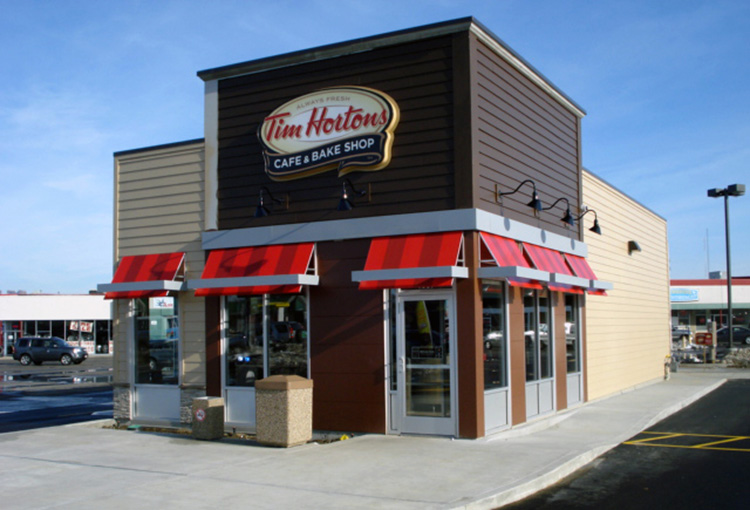
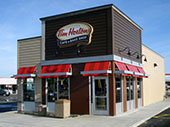
Tim Hortons commercial wall sign.

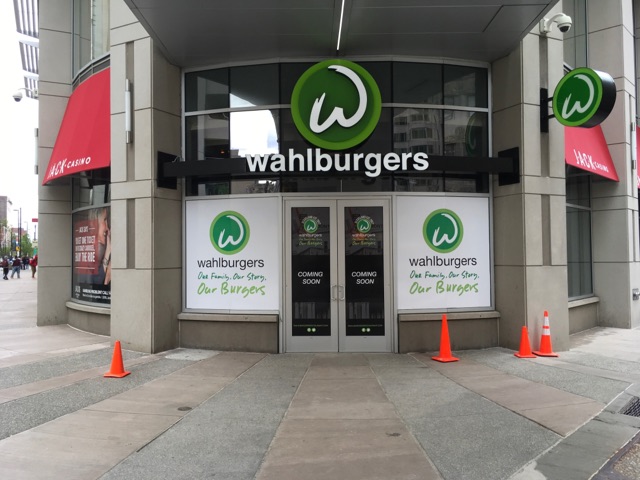
Commercial Wall Sign Examples

Popular Wall Sign Types

We provide many different wall sign styles, colors, and material combinations to suit both exterior advertising and interior branding. Some are dimensional and illuminated, while others are understated architectural pieces built around a brand system.

  • Channel Letters
  • Neon Signs
  • Routed Cut Letters
  • Engraved Signs
  • Brushed Aluminum
  • LED Illuminated Signs
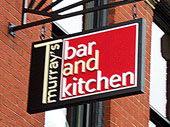
  • Projecting Signs
  • Logo Signs
  • Non-Illuminated Signs
  • ADA Signs
  • Directional Signs

Commonly Used Materials

Material selection affects cost, finish, durability, dimensional effect, and installation method. We commonly combine substrates and decorative surfaces to create a custom finished look.

  • MDO for routed sign letters with a smooth, long-lasting surface
  • PVC for durable and cost-effective indoor or outdoor use
  • HDU sign foam for dimensional signs and sculpted effects
  • Aluminum for structural and decorative finishes
  • Canvas, printed vinyl, and magnetic materials for specialty applications

Interior vs. Exterior Signage

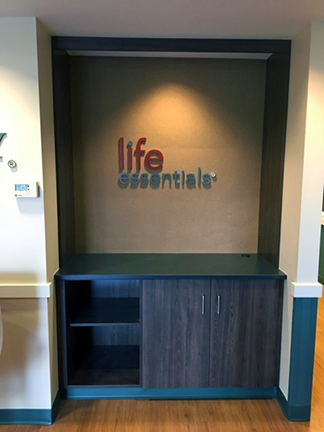
Many materials can work in both indoor and outdoor environments, but service life and visual effect vary by application. Interior wall signs often include routed letters, engraved signs, and branded lobby or reception elements. Exterior wall signs more often include channel letters, neon, and illuminated architectural signage designed to pull attention from the street.

Installation Approach

Custom Sign Center is a full-service sign company with trained installation crews and a fleet of trucks available for work around Ohio. Wall sign mounting approaches include flush mounting, stand-offs, and raceway systems, each of which can change the look and depth of the finished sign.

  • Flush mounting
  • Metal stand-offs
  • Raceway mounting

Wall Sign Permit FAQs

What is the permitting process for commercial wall signs?

Permitting begins with a review of the local sign code to understand what the jurisdiction allows for sign type, size, illumination, and related factors. Applications are then assembled and submitted for review. Once zoning and installation approvals are complete and permit fees are paid, the permit can be issued.

Do interior wall signs require permits?

In most cases, interior signs do not require a permit. Some exceptions can apply, such as wall signs inside mall environments that may trigger electrical or structural review after landlord approval.

What is the average turn-around time for approvals?

A common average is about three weeks, though some larger jurisdictions or higher-volume markets can stretch to four weeks or longer depending on local procedures.

Does sign size affect permitting?

Yes. Illuminated permanent wall signs over common local thresholds often require a licensed sign contractor to pull permits, and larger signs may also require engineered approval depending on the jurisdiction.

How much does permitting vary by jurisdiction?

Quite a bit. Historical districts, standard commercial zones, and different municipalities can all have materially different rules around illumination, color, and sign area.

Need More Permitting Guidance?

If you are still weighing sign style, mounting, materials, or local approval requirements, we can help determine what fits your location and what the jurisdiction is likely to allow.

Start Your Consultation